
Heyi Wang (Tony), Class of 2020
Published on: July 7, 2026 | Views: 85
Tony Wang
Class of 2020
Bachelor’s degree in Materials Science and Engineering,
3+1 dual-degree from Sichuan University and the University of Pittsburgh
Master’s degree in Materials Science and Engineering from the University of Munich in Germany
Interned at Audi in Germany
01: The Foundation: Perseverance Paves the Way
A native of Kunming, Yunnan Province, Tony Wang admitted at Sichuan University – Pittsburgh Institute in 2016 with a strong academic record. However, the first exams of his freshman year served as a sobering reality check. The halo of being a top high school student faded, replaced by an acute awareness of the gap between himself and his peers. This realization was a turning point. Witnessing the dedication of his classmates, Tony made a conscious decision to rise to the challenge. He became a fixture in the library, dedicating himself to his studies seven days a week.
This persistence gradually paid off. He discovered learning strategies that worked for him and steadily climbed from the bottom to the middle of his class, regaining control of his academic trajectory. He recalls earning his first ‘A’ in a mathematics course as a pivotal moment — a tangible reward for his hard work that restored his confidence and solidified his belief in the value of perseverance.
During his sophomore year, a conversation about studying abroad shifted his focus to Germany. Impressed by the country’s high-quality education and living standards, and considering the economic factors, he changed his graduate school target from the United States to Germany. Once the decision was made, Tony began learning German from scratch, meeting with a tutor weekly. Even during his senior year abroad at the University of Pittsburgh in the U.S., he overcame the time difference to continue his German lessons online. Three years of this relentless effort allowed him to achieve near-fluent communication skills upon his arrival in Germany.
02: Adapting and Thriving in a New World
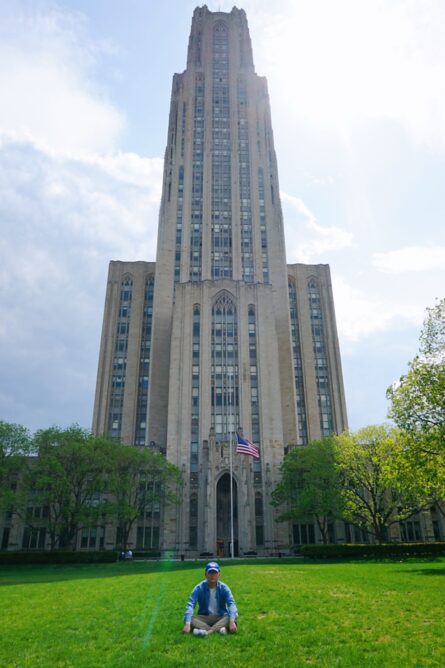
Tony chose to spend his senior year at the University of Pittsburgh, believing the American diploma would strengthen his German graduate application and, more importantly, provide an invaluable life experience. Building on three years of English-taught coursework, he found the year to be both manageable and enriching. Although the pandemic confined him to his dorm and campus for half the year, cancelling all his travel plans, he still looks back fondly on Pittsburgh’s living environment and pace.
Life in Germany, however, presented a new set of challenges. With classes moved online due to the pandemic, his world suddenly shrank. The lively social scene of the U.S. was replaced by the solitude of his room, with only his computer for company. The early closing hours of German shops and the silent Sundays further compounded the sense of isolation. Forced to adapt, Tony learned to embrace solitude and structure his time meticulously, planning out when to shop, cook, and study.
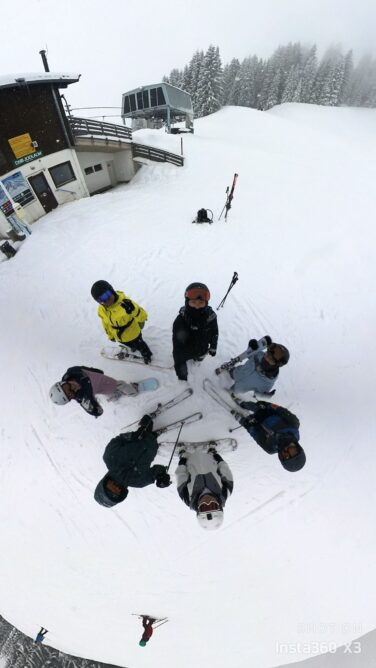
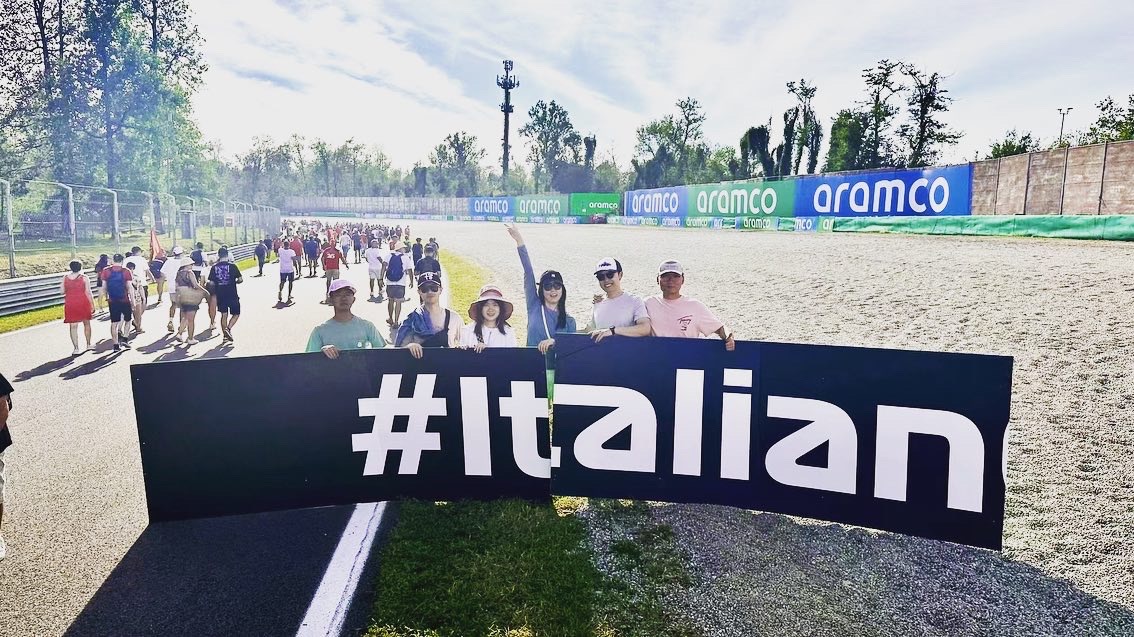
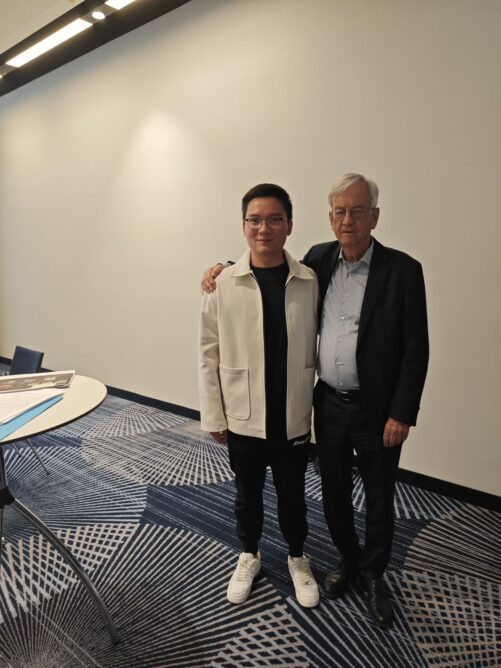
He found ways to inject purpose into his days. Beyond cooking to pass the time, he took a part-time job delivering food for a local Chinese restaurant, which supplemented his income and sharpened his conversational German. He later leveraged his language skills to work as an interpreter for a Chinese delegation meeting with a former Siemens CEO. Post-pandemic, he obtained his German driver’s license, enabling weekend road trips with friends to explore cities around Munich. Driven by personal interest, he also took up skiing. In this slower-paced life, he learned to fill the gaps with activities that brought him joy and fulfillment.
03: A Foray into the German Automotive Industry
After applying to dozens of automotive companies, Tony secured an interview and subsequently an internship with Audi. During his time there, he was tasked with analyzing competitors’ solutions and production processes, and he utilized the company’s resources to complete his master’s thesis.
The internship offered him a profound, inside look into the automotive industry. He transitioned from an outsider hearing stories to an active participant with firsthand observations. At Audi, he was exposed to new products, advanced technologies, and Germany’s renowned industrial manufacturing prowess. As a car enthusiast, working amidst these innovations was a source of great satisfaction. In the office, he learned to navigate professional relationships and gained insight into German workplace traditions.
One tradition that stood out was the German approach to birthdays: the celebrant is expected to bring their own cake and announce their birthday to colleagues, who then gather to share it. If forgotten, the day typically passes without official notice. Tony also noted that the workplace was highly educated and inclusive, with no discernible discrimination against foreigners. The work culture was serious and focused; while working hours were strict, employees were fully disconnected after hours, allowing him to concentrate during work and fully enjoy his personal time.
04: Reflections and Advice for Future Students
Drawing from his experiences, Tony offers some grounded advice for those considering a similar path.
On studying in Germany, he emphasizes that the academic approach is distinctly different from that in China or the U.S. With a focus on self-directed learning and often only a final exam determining the grade, student initiative is paramount. He suggests first honestly assessing whether one can adapt to the German lifestyle and academic atmosphere, as some may struggle with the isolation. For language learning, he advises that even extensive study in China is no substitute for immersion. While there may be an initial adjustment period, actively engaging with locals at supermarkets or post offices is the fastest way to build confidence and fluency.
Regarding internships, he recommends being strategic. Prioritize well-known German companies for an authentic local experience. For those planning to return to China, interning at a Chinese company’s German branch could provide valuable insight into the domestic work culture. Ultimately, the key is to align the internship with one’s personal career preferences and adaptability.
As for the future, Tony is still writing his next chapter. He believes that finding the best path requires time and continuous exploration. He plans to clarify his career goals through further internships and work experiences, remaining open to the challenges and setbacks that come with it. For him, every experience, successful or otherwise, is a valuable asset on the journey ahead.