Ian Li: Sound-assisted 3D Printing Technology and the Art of Choosing a Supervisor
Published on: July 7, 2026 | Views: 72
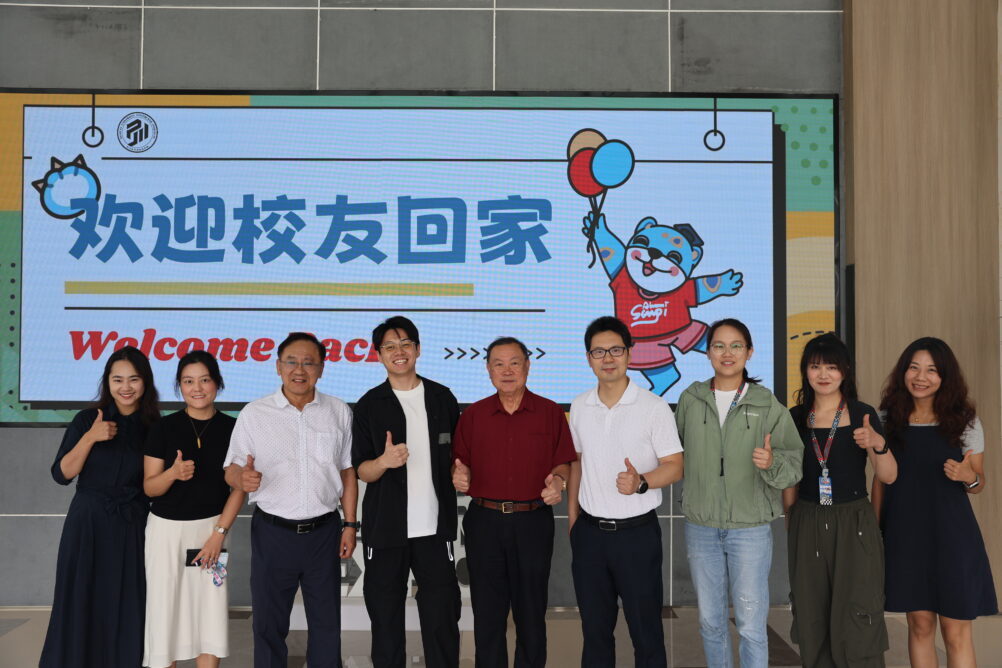
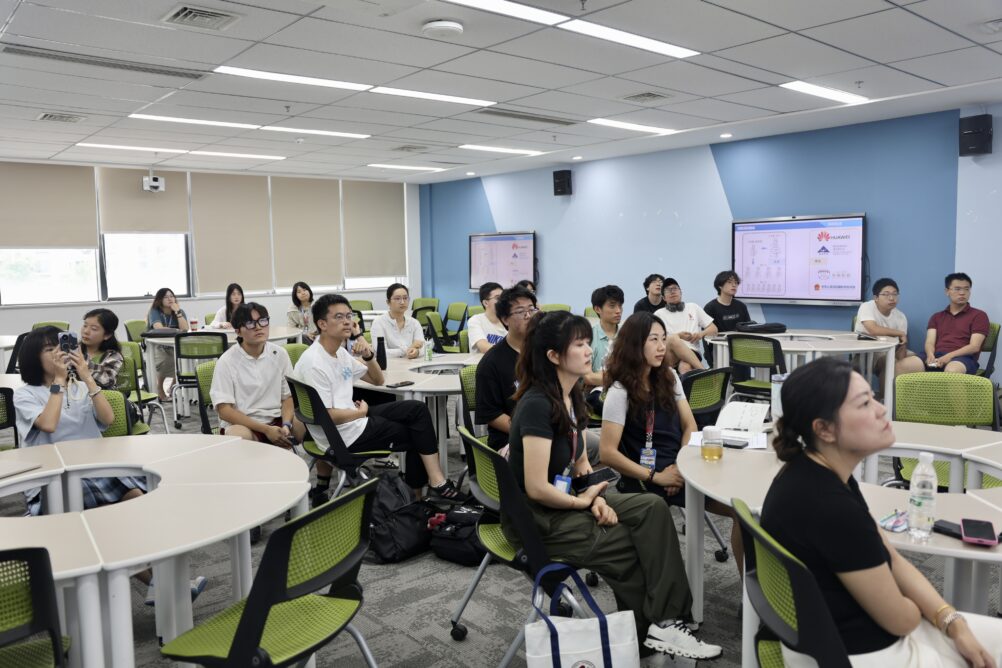
On June 6, 2025, the Alumni Association of the Sichuan University – Pittsburgh Institute (SCUPI) invited Ian Li, an alumnus of the Class of 2022, to return to campus and share with the younger students the latest developments in sound-assisted 3D printing technology and his experiences in domestic postgraduate studies and research. The session attracted enthusiastic participation from students of all grades and majors, creating a lively atmosphere on the spot.
Ian Li was admitted to the Mechanical Engineering major at Sichuan University – Pittsburgh Institute in 2018. Currently, he is pursuing a doctoral degree in Mechanical Engineering department at Zhejiang University.
At the sharing session, Ian first shared his research ideas and progress over the past three years, briefly introducing the application of surface acoustic wave technology in 3D printing, which led to a series of topics such as the research life in domestic universities and the choice of further education.
Then, Ian, based on his own experience, focused on the details of research and elaborated on the work content during the postgraduate stage, the composition and operation mode of the research group. He reminded the students that professional ability and personal comprehensive quality are crucial in the research group, and improving research innovation ability, project management ability, expression and communication skills will all contribute to their own development.
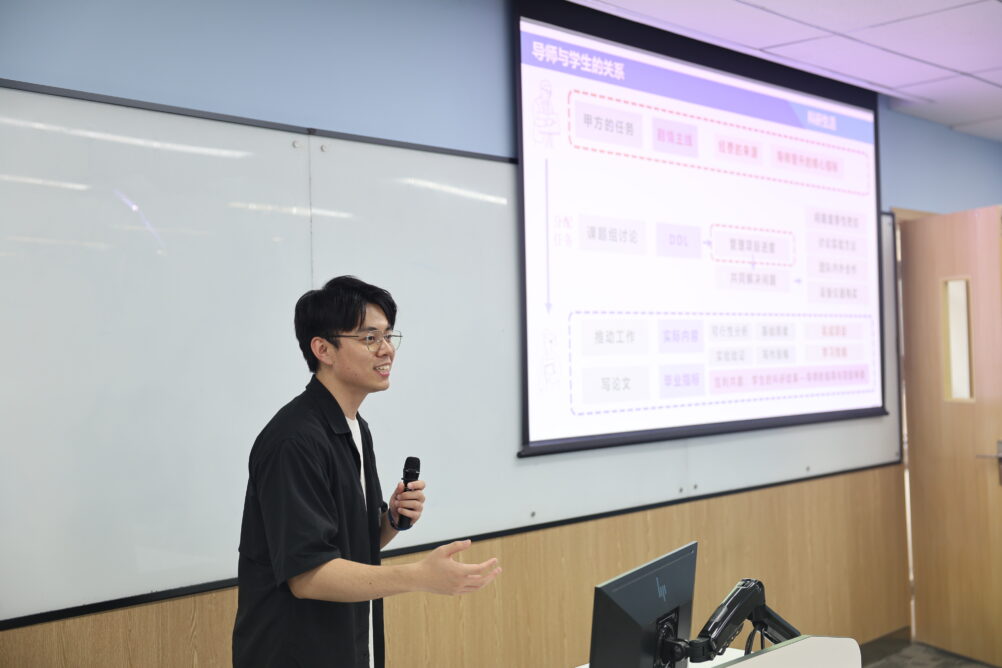
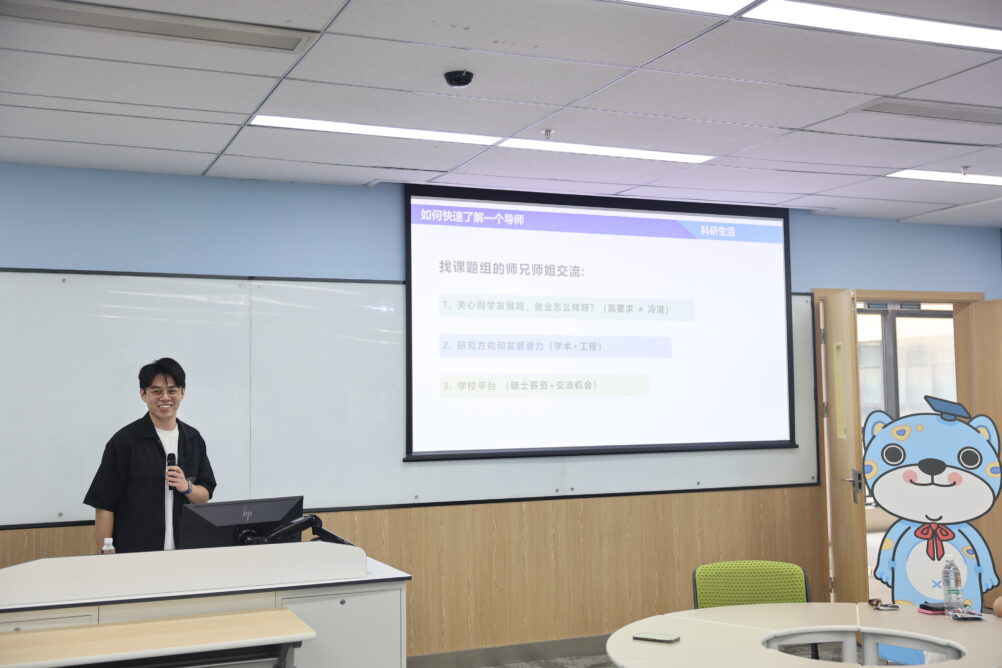
Finally, Ian introduced the general information, process and personal application experience of applying for a doctoral program. He emphasized the importance of choosing a supervisor and deeply analyzed the assessment logic of the postgraduate recommendation interview. He suggested that students should carefully polish their resumes, actively contact supervisors, and provided practical suggestions on how to understand and choose a suitable supervisor for themselves.
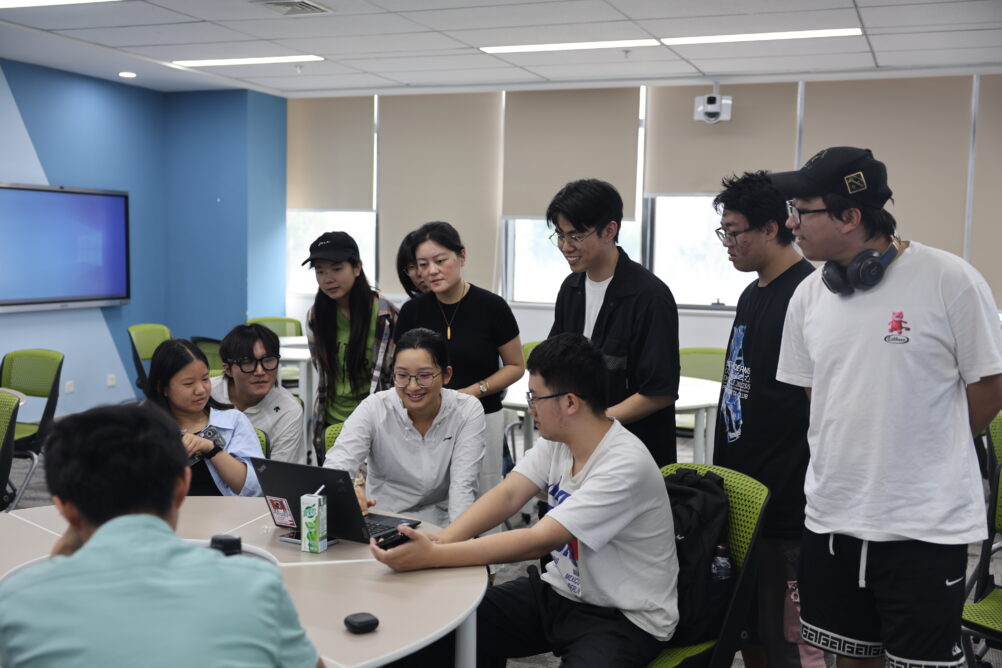
During the Q & A session, Ian answered questions that students were concerned about, such as the differences between master’s and doctoral programs and future employment directions. He also extended his introduction to the characteristics of different types of research topics. After the session, he had in-depth exchanges with the students on specific issues. Ian’s explanations were clear and easy to understand, and his language was humorous and witty, allowing the students to gain practical experience in a relaxed atmosphere.