
Event Recap丨SCUPI Hosts Experience-Sharing Session on Student Organization Development and Services
Published on: December 17, 2025 | Views: 482
To promote mutual learning and deepen understanding among student organizations from different institutes, the Student Council of the Sichuan University – Pittsburgh Institute (SCUPI) organized an experience-sharing session on the high-quality development and services of student organizations. The event invited student representatives from the College of Electrical Engineering, the College of Biomass Science and Engineering, the School of Mathematics, the School of Public Administration, the College of Physics, the College of Arts, and the West China College of Public Health to engage in in-depth discussions on student organization development and services.
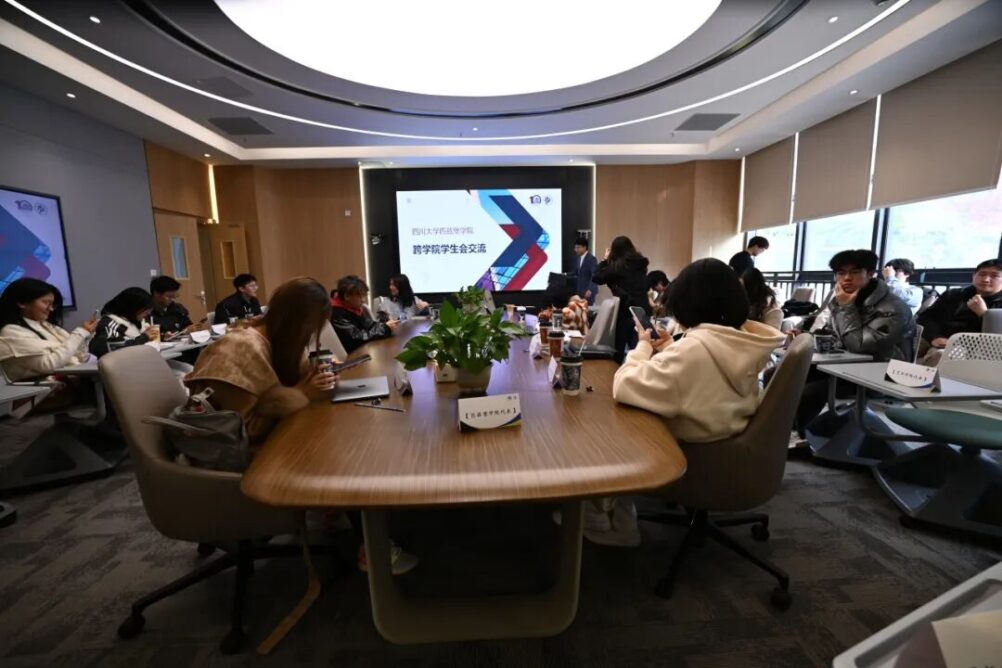
The event began with an opening address by the host, who introduced the purpose and vision of the session. As colleges and student organizations continue to grow, the scale of activities expands, coordination tasks increase, and student needs become more diverse, making cross-college collaboration increasingly important. The host expressed hope that through this face-to-face sharing and discussion, colleges could learn from each other’s experiences, deepen mutual understanding, and lay the foundation for future collaboration. Subsequently, representatives from each college introduced their student organization structures and distinctive features, gradually fostering a warm and engaging atmosphere.

The representative from SCUPI took the lead in sharing, presenting their student organization structure, workflow, and collaboration mechanisms. They also highlighted signature events of the institute, sparking strong interest and lively questions from representatives of other colleges. Many attendees noted that significant differences exist among student organizations across colleges, offering valuable learning opportunities—precisely the purpose of this session: to understand others’ practices, absorb effective approaches, reflect on one’s own shortcomings, and inspire new ideas for improvement.
Following this, the session moved into its core segment—cross-college thematic discussions. Representatives delved into three key topics: “Organization Structure and Division of Responsibilities,” “Sharing of Signature Activities,” and “Common Challenges in Student Work,” exchanging insights based on their specific practices. Through these discussions, a consensus gradually emerged: there is no one-size-fits-all approach to student organization development; the key lies in tailoring strategies to the unique characteristics of each college, the capabilities of the student organization, and the goals of activities.
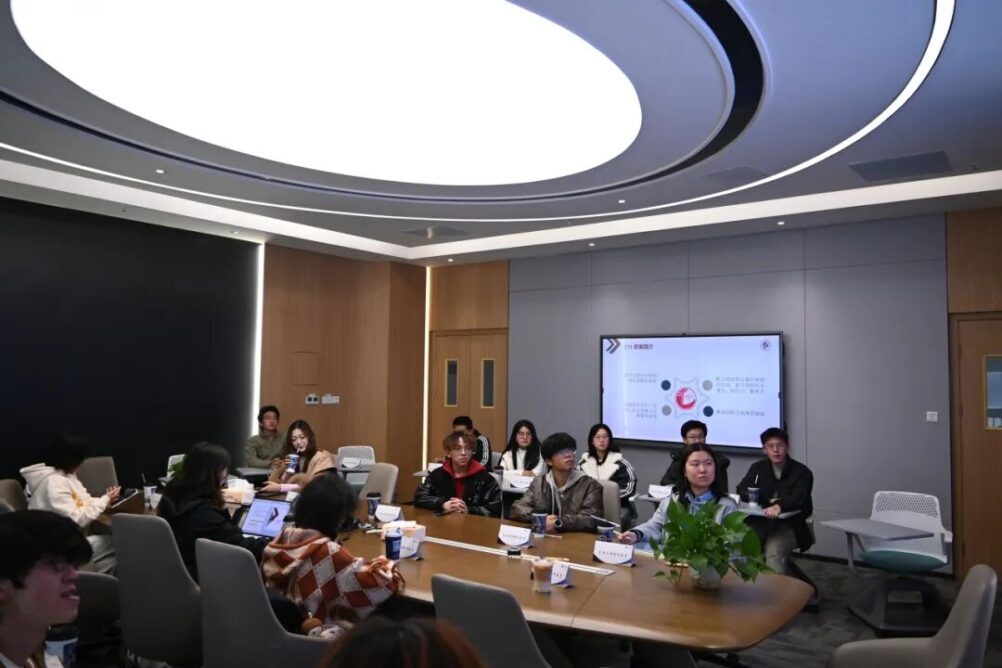
During the activity planning sharing segment, representatives discussed various aspects of event planning and execution, including goal setting, promotional methods, budget allocation, and on-site arrangements. Drawing from their own practical cases, they shared successful experiences, candidly analyzed lessons from setbacks, and distilled numerous targeted and actionable suggestions. The diverse perspectives and lessons from different practices provided valuable inspiration for all attendees.
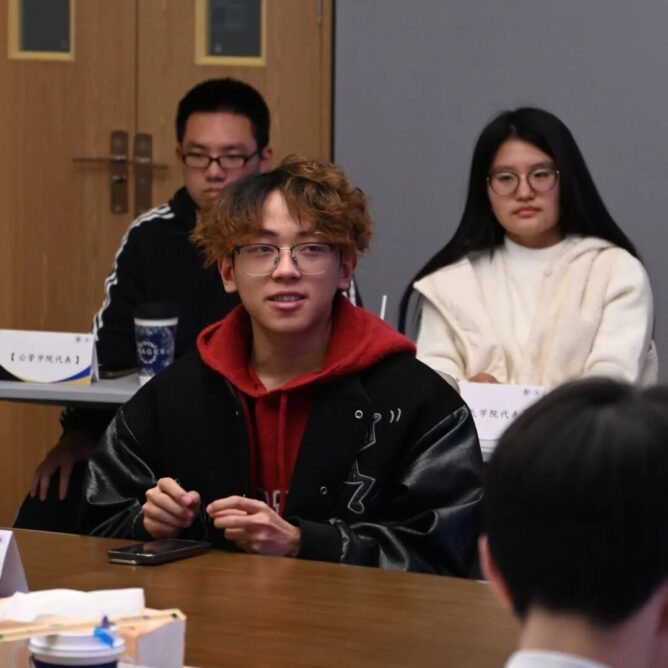
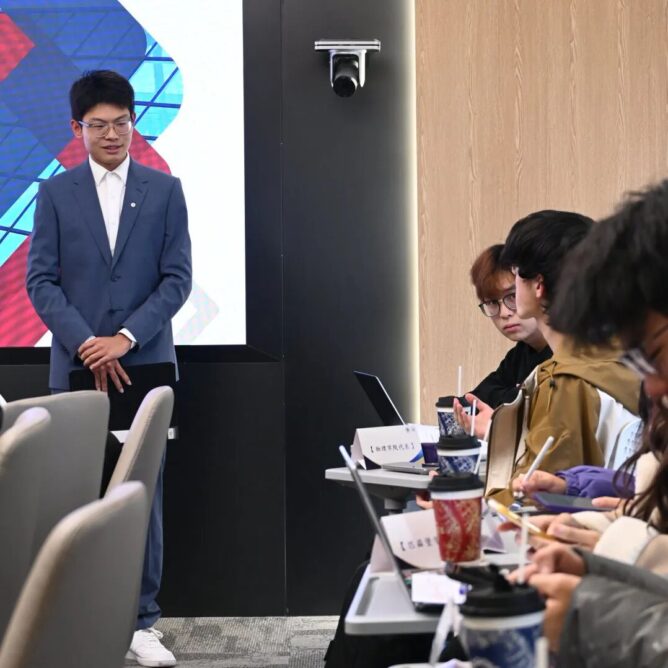
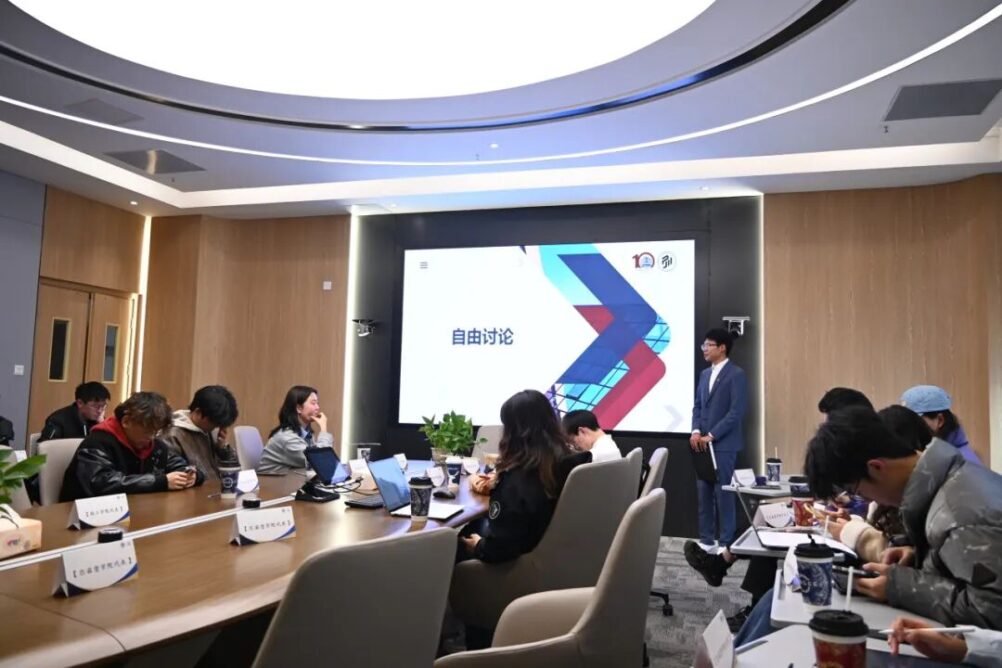
The “Challenges and Solutions” discussion segment marked the peak of the event. Representatives discovered that regardless of the size of their student organizations, they faced similar challenges. Issues such as academic conflicts, member engagement, and activity participation were addressed, with colleges sharing coping strategies and innovative practices, offering each other creative and insightful ideas.
In the free exchange session, representatives spontaneously formed small groups to brainstorm activity ideas and explore potential collaborations. Many participants expressed that the session not only provided practical experience and effective methods but also revealed the immense potential of cross-college collaboration among student organizations.
In the closing remarks, the host summarized the event, noting that the “Sharing Session on High-Quality Development and Services of College Student Council” successfully achieved its core objectives of “exchanging experiences, sparking ideas, fostering mutual understanding, and promoting collective growth.” The session helped representatives realize that student organizations are not isolated entities but can complement each other in terms of resources, experience, and creativity. Moving forward, SCUPI will continue to build regular and systematic platforms for cross-college exchange and collaboration, empowering student organizations to unite and innovate, thereby injecting vitality into campus culture.

The cross-college student council exchange session concluded successfully. We look forward to more colleges joining future initiatives to explore more efficient organizational models and richer activity formats, ensuring that student work truly becomes a vital force in connecting peers, serving students, and fostering development.